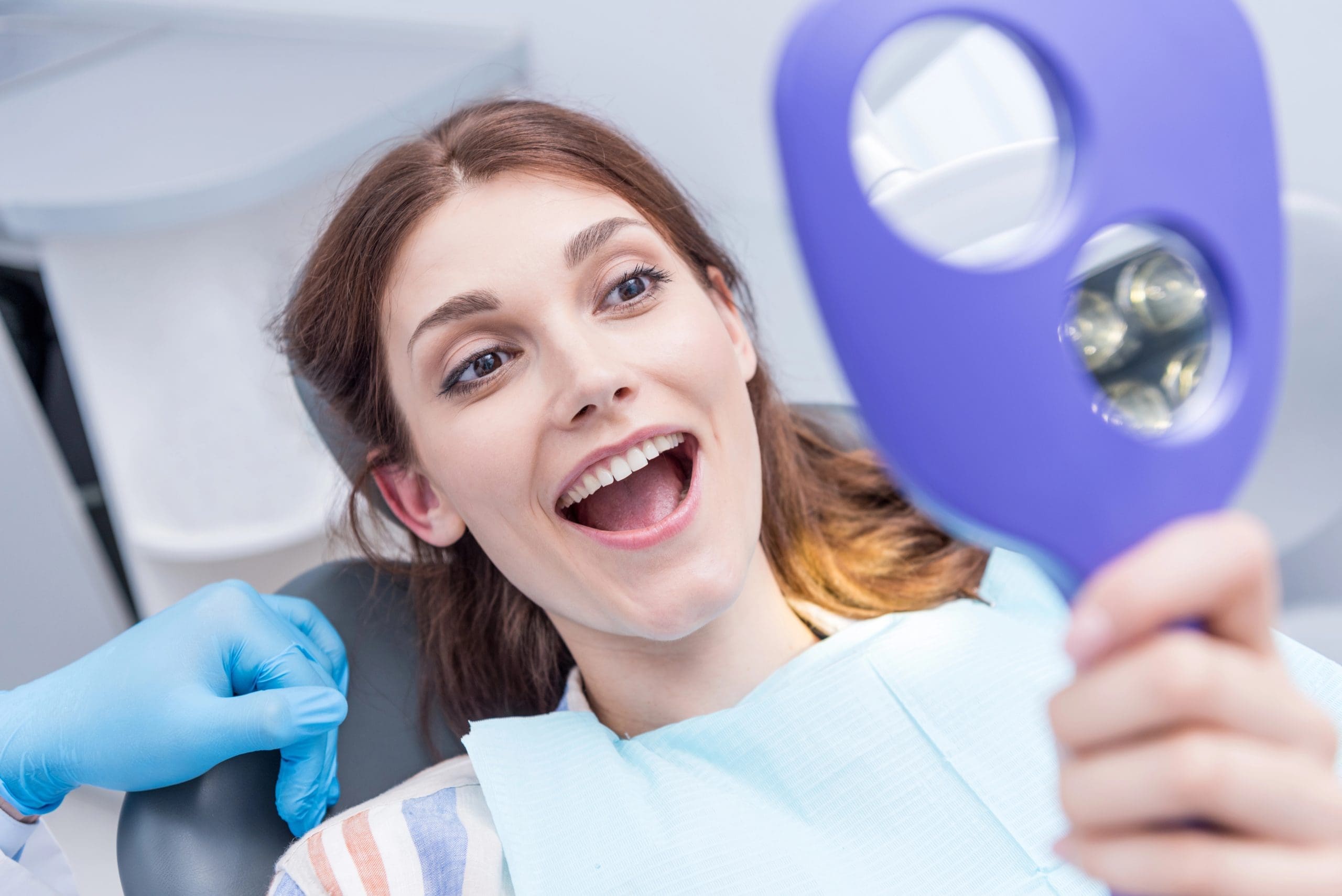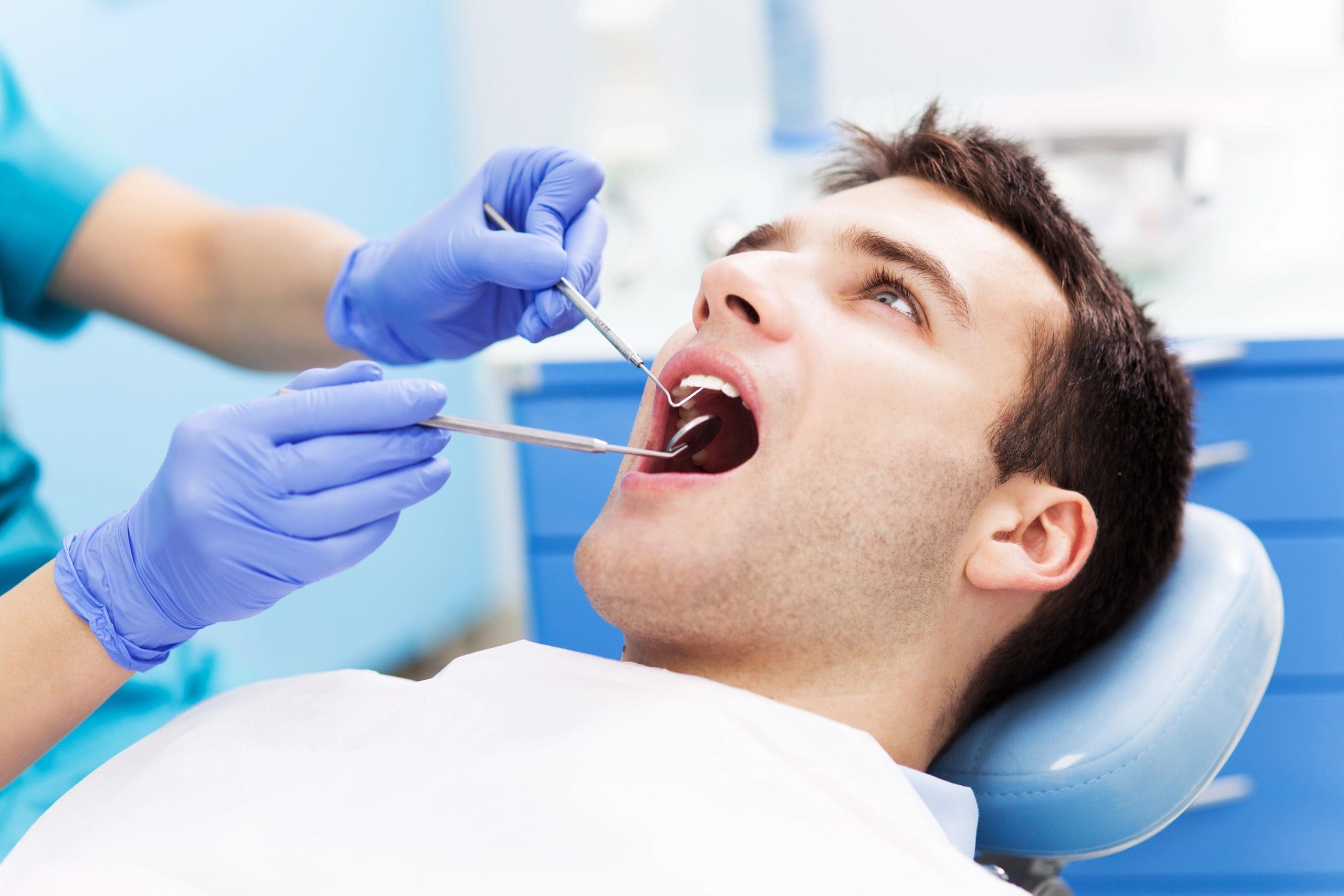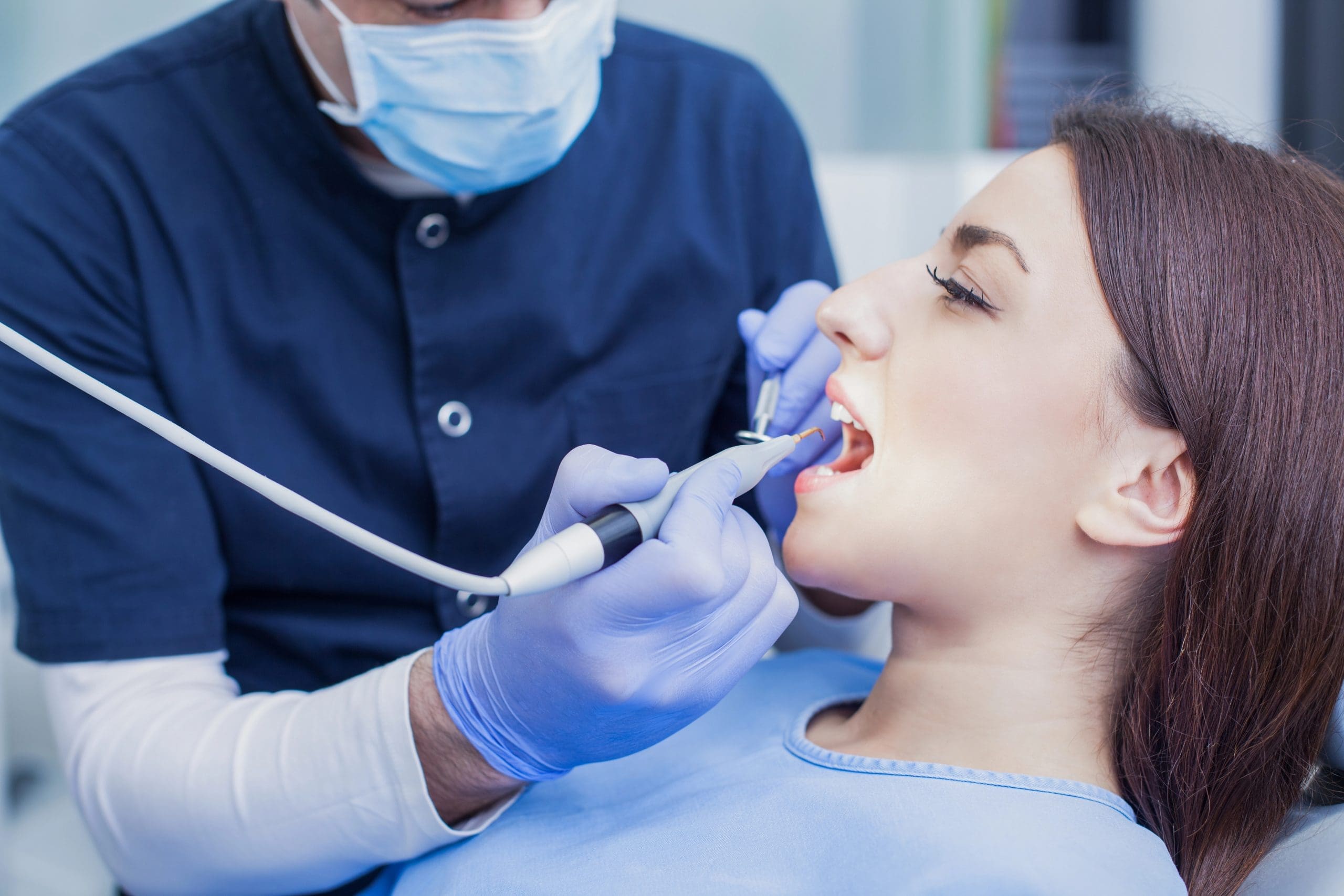
How do oral exams help prevent major dental issues? Regular oral exams are crucial for early detection of potential problems, allowing for timely intervention and reducing the risk of severe dental complications.
Oral Exam: Early Detection of Cavities
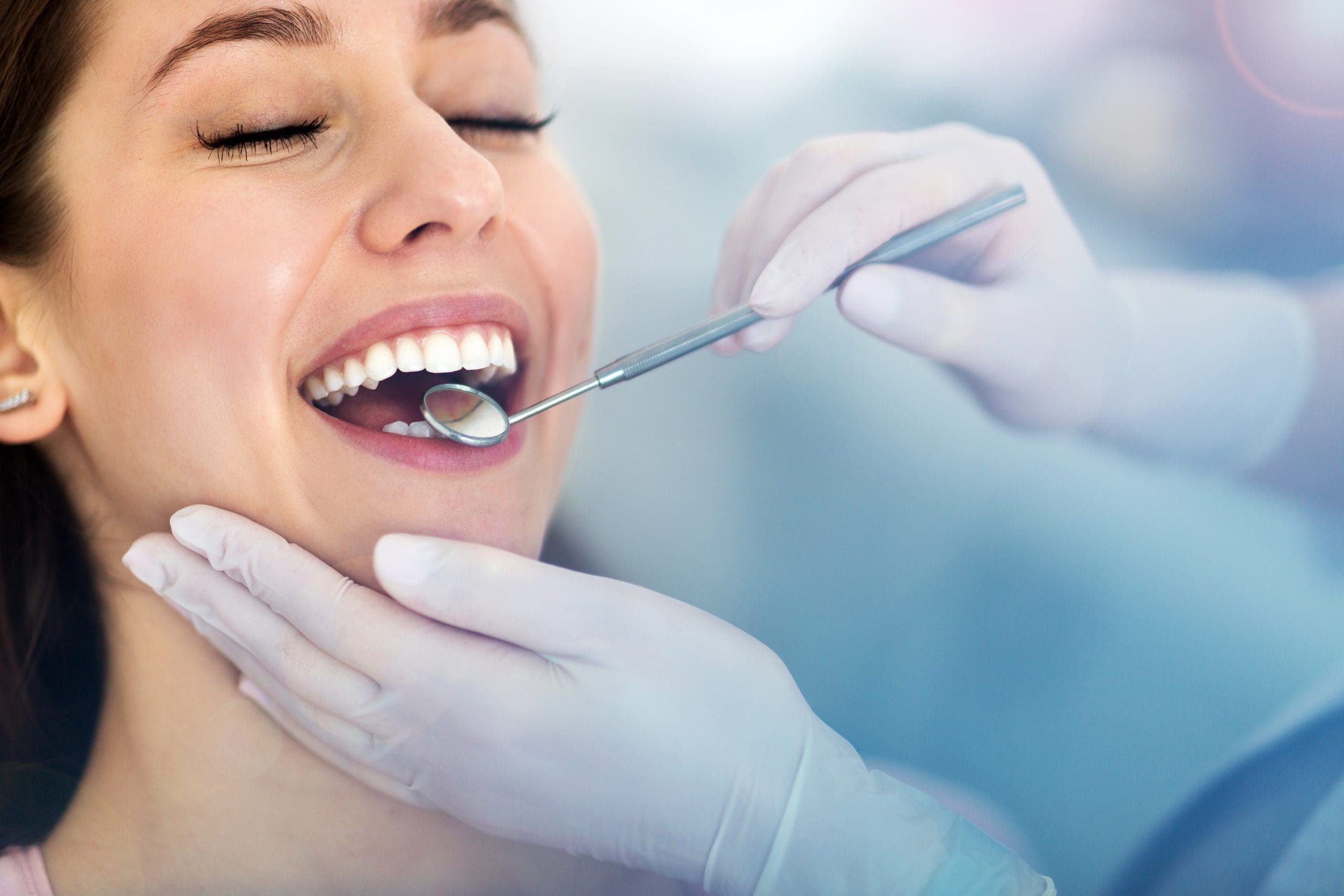
An oral exam plays a crucial role in the early detection of cavities, which can prevent more severe dental issues down the line. During an oral exam, a dentist thoroughly inspects your teeth and gums, identifying any signs of decay that may not be visible to the naked eye. This early detection allows for prompt intervention, which can halt the progression of cavities and maintain overall dental health.
Regular oral exams are essential for maintaining a healthy mouth, as they help catch cavities in their initial stages. By identifying these issues early, you can avoid more invasive treatments and preserve the integrity of your teeth. For more information on maintaining your dental health, check out our Top Tips for Maintaining Excellent Dental Hygiene.
Identifying Gum Disease Early
One of the significant benefits of an oral exam is the early identification of gum disease. Gum disease, if left untreated, can lead to severe dental issues such as tooth loss and bone damage. During an oral exam, a dentist can detect the early signs of gum disease, such as inflammation, bleeding, and receding gums, which might not be noticeable to the untrained eye.
Regular oral exams are crucial in maintaining overall dental health and preventing the progression of gum disease. By catching these issues early, it is possible to address them before they become more serious. For more information on maintaining your dental health through regular check-ups, visit our page on Monrovia Teeth Cleaning And Exams.
Monitoring Oral Cancer Signs
Regular oral exams play a crucial role in monitoring for signs of oral cancer. During an oral exam, dental professionals meticulously check for any abnormalities or changes in the tissues of the mouth, throat, and surrounding areas. Early detection through these exams can be vital in identifying potential issues before they develop into more serious conditions. By consistently undergoing oral exams, individuals can ensure that any early signs of oral cancer are promptly noticed and addressed, contributing to overall oral health and well-being.
Assessing Overall Oral Hygiene
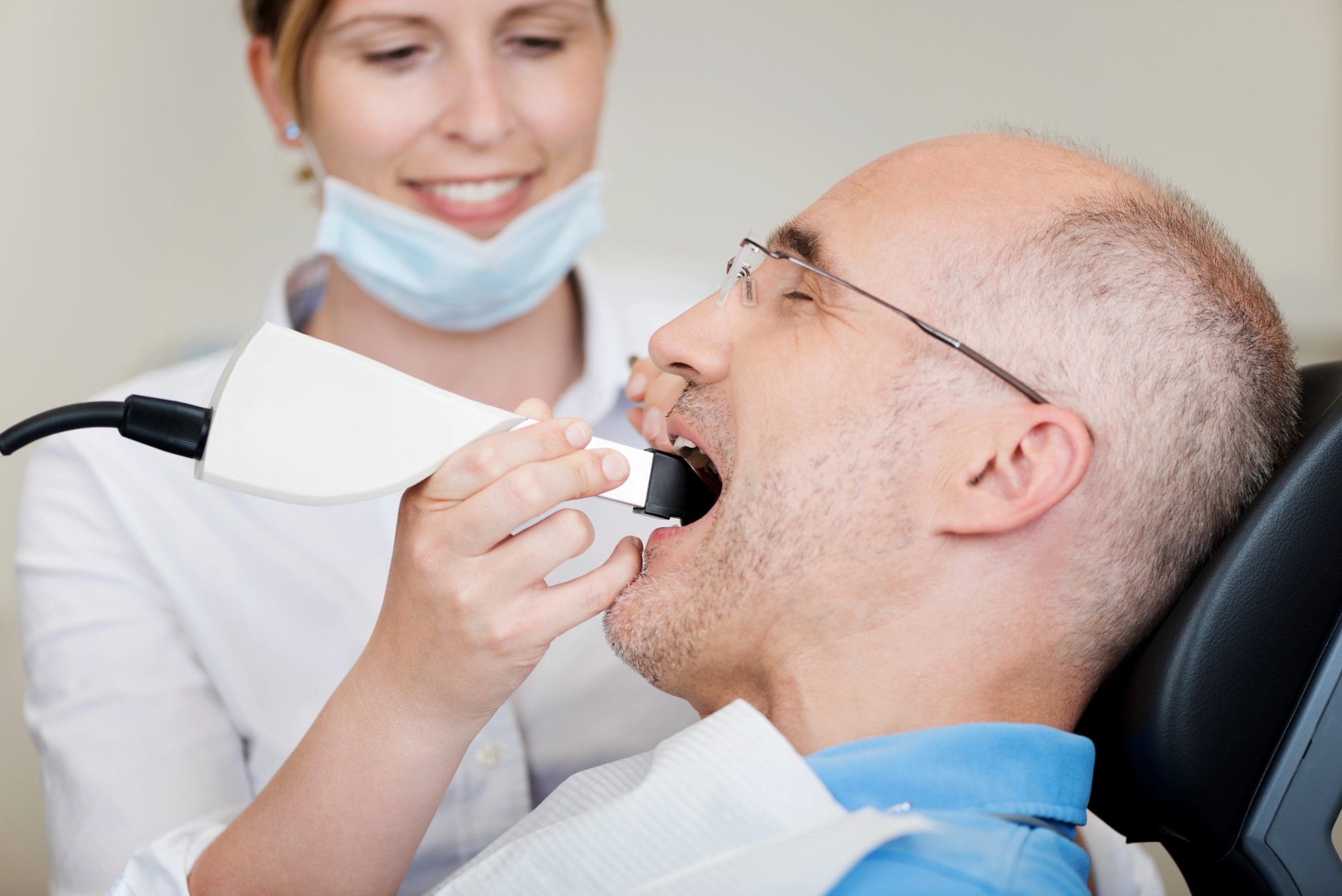
An oral exam is a crucial step in assessing overall oral hygiene, as it allows dental professionals to thoroughly evaluate the condition of your teeth, gums, and mouth. During an oral exam, dentists can identify early signs of potential issues such as cavities, gum disease, and other dental problems that might not be visible to the untrained eye. This comprehensive assessment helps in maintaining optimal oral health and preventing major dental issues before they escalate. For more information on maintaining your oral health, visit Healthy Life Dental, your trusted Monrovia Dentist.
Spotting Tooth Decay
Regular oral exams play a crucial role in identifying tooth decay at its earliest stages. During these exams, dental professionals can detect subtle signs of decay that might not be visible or noticeable to the untrained eye. Early detection is key to addressing tooth decay before it progresses into more severe dental issues, potentially saving patients from discomfort and more extensive treatments down the line. By catching tooth decay early, oral exams help maintain overall dental health and prevent the escalation of minor issues into major problems.
Evaluating Jaw and Bite Issues
An oral exam is crucial for identifying jaw and bite issues that could lead to significant dental problems if left untreated. During an oral exam, your dentist will assess the alignment of your teeth and the functionality of your jaw. Misalignments and bite irregularities can cause discomfort, difficulty in chewing, and even temporomandibular joint (TMJ) disorders. Early detection through regular oral exams allows for timely intervention, which can prevent more severe complications and ensure optimal oral health.
Checking for Plaque Buildup
One of the critical aspects of an oral exam is checking for plaque buildup. Plaque, a sticky film of bacteria, can accumulate on your teeth and gums, leading to serious dental issues like cavities and gum disease if not addressed promptly. During an oral exam, your dentist will meticulously examine your teeth for any signs of plaque and tartar, which are often invisible to the naked eye. By identifying and removing plaque early, an oral exam helps prevent the progression of dental problems, ensuring your teeth and gums remain healthy. Regular oral exams are essential for maintaining optimal oral hygiene and preventing major dental issues down the line.
Detecting Early Enamel Erosion
One of the critical benefits of an oral exam is the early detection of enamel erosion, which can prevent more severe dental issues down the line. During an oral exam, your dentist can identify the initial signs of enamel wear, such as discoloration, sensitivity, and surface irregularities. Catching enamel erosion early allows for timely intervention, which can include fluoride treatments, dietary adjustments, and improved oral hygiene practices. By addressing enamel erosion at its onset, an oral exam helps maintain the integrity of your teeth and prevents the progression to more serious conditions like cavities and tooth decay.
Observing Changes in Oral Health
One of the key benefits of an oral exam is the ability to observe changes in oral health over time. Regular dental check-ups allow your dentist to monitor any developments in your mouth, such as the appearance of cavities, gum disease, or other potential issues. By catching these changes early, an oral exam can help prevent minor problems from escalating into major dental issues. This proactive approach not only saves you from discomfort and extensive treatments but also ensures that your oral health remains in optimal condition.
Conclusion
Regular oral exams are essential for maintaining your dental health and preventing major issues. Call 626-256-3368 or read reviews on Google Maps.